The conception:
In 2026, it feels as though we are living in a time of heightened political polarisation, yet there are fewer opportunities for meaningful dialogue between people with opposing views. Instead, divisions appear to be deepening for a variety of reasons: ranging from assumptions and biases about those who think differently, to limited media literacy around how language, particularly political buzzwords, can shape opinions, as well as the rise of echo chambers where individuals engage only with like-minded perspectives.
As a result, many people feel hesitant or even unsafe discussing politics, often putting up barriers when faced with differing viewpoints. This is particularly felt in underrepresented groups, who more frequently feel their voices are not heard and may feel intimidated in discussing political issues to those from different communities.
In 2022, the House of Commons conducted a research briefing which highlighted that:
- Young people are less likely to be on the electoral register than older people.
- People from minority ethnic groups are less likely to be included on the electoral register than White groups in Britain.
- The 2022 Census of Local Councillors in England showed that 8% of respondents came from a minority ethnic group and 92% were White.
- The Community Life Survey shows that in 2020/21, people living in the most deprived areas were the least likely to have engaged in political activities in the past 12 months (37%)
- People in lower social grades are more likely to be ‘stealth democrats’ who are disillusioned with political elites and unwilling to participate in mainstream politics (Webb, P: 2013).
This climate means we miss valuable opportunities to understand why others hold their beliefs, and how personal experiences and values shape those perspectives. In doing so, we may overlook just how much common ground we actually share.
The Tearoom:
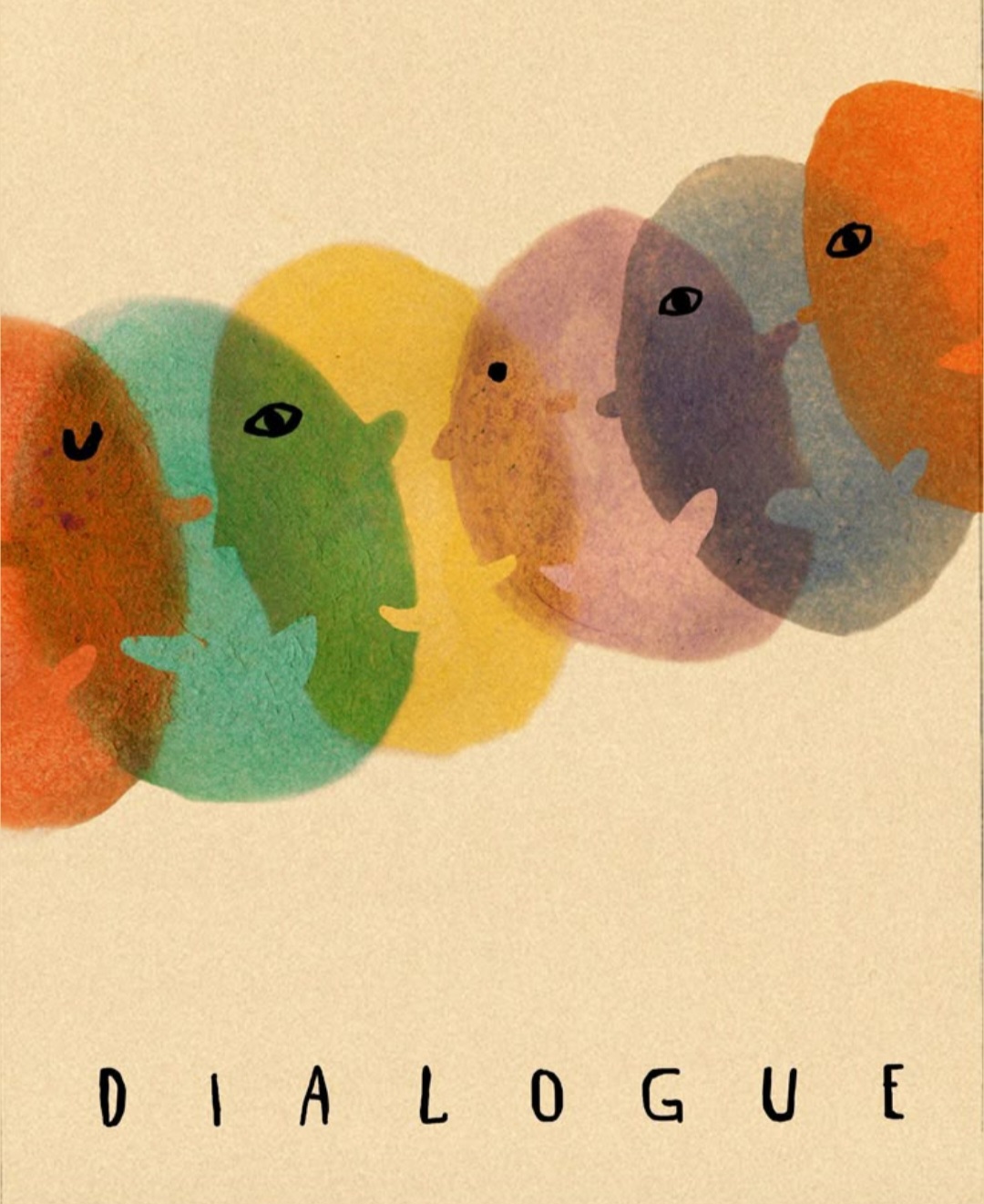
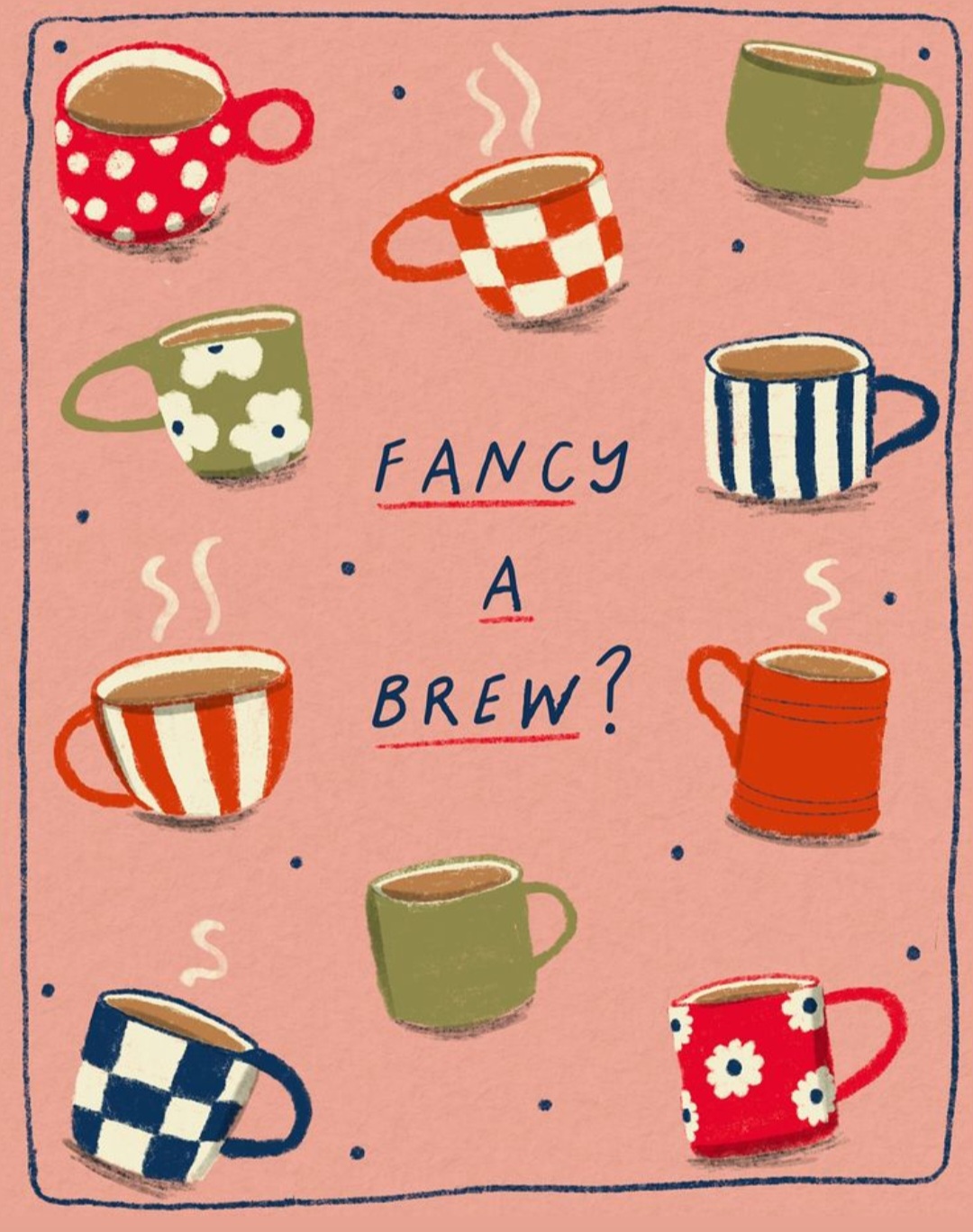
The “Democracy Tearoom” project seeks to create a welcoming and inclusive space where people from diverse backgrounds can come together to discuss political topics. Within this environment, respectful disagreement is encouraged and conversations are thoughtfully facilitated by Global Shapers. The workshops aim to build participants’ confidence in engaging with political discussions, while fostering meaningful exchanges about how personal experiences shape individual viewpoints.
To support this, the project will use carefully designed discussion prompts that prioritise values-based perspectives rather than highly polarising issues. For example, participants may be asked questions such as, “What do you wish people better understood about your perspective?” to encourage open and constructive dialogue.
The workshops will be split into two groups: the General Tearoom (all ages from 22+) and the Young Tearoom. The Young Tearoom, aimed at those aged 18–22, will focus on building civic confidence through more accessible and less contentious discussion topics, such as “How do you think social media influences politics?” The workshop will also provide guidance on how young people can stay informed without feeling overwhelmed, including signposting to youth groups, a range of news sources, and information on how to register to vote.
Workshops are planned to begin in summer 2026 and will be delivered both in person and online. In keeping with the “tearoom” theme, refreshments will be provided. All sessions will be led by trained facilitators from the project team, equipped with skills in mediation and managing constructive disagreement. Success will be measured through participation levels and feedback surveys, capturing changes in participants’ confidence when discussing political topics and their comfort in engaging with differing viewpoints.
Short-Term Aim
The project aims to help participants feel more comfortable discussing politics with those who hold different views, develop the ability to disagree respectfully, and gain a clearer understanding of political language and opportunities for civic engagement.
Long-Term Aim
The project seeks to engage at least 75 people directly, and hopes to engage with many more indirectly. It is also designed to be replicable, with adaptable discussion templates and facilitator toolkits that can be used by other Global Shaper communities. By sharing outcomes and learnings in various formats, the project aims to extend its impact to a wider audience.
 Global Shapers Manchester